
 By
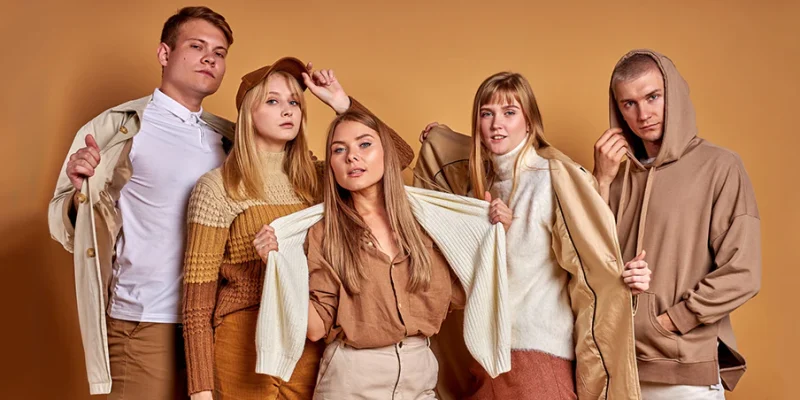
The global fashion landscape is undergoing a profound structural transformation. For decades, the industry operated on a rigid binary system, neatly dividing apparel into “menswear” and “womenswear.” However, the modern era has ushered in a wave of gender-neutral collections that challenge these traditional archetypes. This shift is not merely a passing trend or a niche aesthetic; it represents a fundamental change in how consumers perceive identity, expression, and the utility of clothing. By stripping away gendered expectations, designers are opening up a new frontier of creativity that prioritizes the individual over the category.
The Cultural Shift Toward Fluidity
The rise of gender-neutral fashion is deeply rooted in broader societal changes. Younger generations, particularly Gen Z and Millennials, view gender as a spectrum rather than a fixed binary. As social conversations around identity have evolved, so too has the demand for products that reflect this fluidity. Consumers are increasingly seeking authenticity and personal expression, moving away from brands that dictate how a person should look based on their biological sex.
Global fashion houses have taken note of this demographic shift. What began as an underground movement in streetwear and independent boutiques has now permeated the highest levels of luxury fashion. Brands are realizing that by limiting their collections to specific genders, they are essentially narrowing their market share. Gender-neutral clothing allows for a more inclusive brand image, appealing to a diverse global audience that values social progress as much as aesthetic appeal.
Breaking the Binary: Design and Construction
Creating a gender-neutral collection involves more than just making oversized hoodies or shapeless tunics. It requires a complete rethink of garment construction and sizing. Historically, pattern making has been dictated by the “ideal” male or female form. Gender-neutral design, however, focuses on proportional versatility.
-
Adjustable Silhouettes: Designers are utilizing drawstrings, belts, and modular components that allow a single garment to fit various body types.
-
Neutral Color Palettes: While not a requirement, many collections lean toward earth tones, monochrome scales, and muted palettes to emphasize form and fabric over gendered color associations.
-
Textural Focus: By removing the distraction of “feminine” or “masculine” tropes, designers can experiment more freely with high-quality textiles like heavy-weight cotton, technical nylons, and sustainable hemp.
The Economic Impact of Unisex Apparel
From a business perspective, gender-neutral collections offer significant advantages in logistics and retail. The traditional model requires separate design teams, manufacturing runs, and retail floor space for men’s and women’s lines. By consolidating these into a unified collection, brands can streamline their supply chains.
The “unisex” approach also simplifies the shopping experience. Retailers like Selfridges and Nordstrom have experimented with “agender” spaces where clothing is organized by style, size, or color rather than gender. This reduces the friction for shoppers who may feel alienated by traditional department store layouts. Furthermore, the resale market for gender-neutral luxury items is exceptionally strong, as these pieces hold their value across a wider demographic of potential buyers.
Sustainability and the Slow Fashion Connection
Gender-neutrality often intersects with the sustainability movement. Because these garments are designed to be versatile and timeless, they naturally resist the rapid turnover of trend-based fast fashion. A well-made gender-neutral coat or pair of trousers can be shared between partners, passed down through families, or kept for decades without going “out of style” based on gendered trends.
Many brands leading the gender-neutral charge are also pioneers in ethical manufacturing. By focusing on a smaller, more cohesive range of products, they can invest more in organic materials and fair labor practices. This alignment with conscious consumerism makes gender-neutral collections particularly attractive to the modern, eco-aware shopper.
Influential Markets and Global Adoption
While the movement is global, certain regions have become hotspots for gender-fluid fashion. In East Asia, particularly Japan and South Korea, the lines between traditional masculine and feminine aesthetics have been blurred for years. Designers in these regions have mastered the art of the oversized, architectural silhouette that looks equally striking on any body.
In the West, major fashion capitals like London, Paris, and New York are seeing a surge in labels dedicated exclusively to non-binary clothing. High-profile celebrities and influencers have also played a crucial role in normalizing this shift. When public figures wear “the opposite” gender’s clothing on red carpets or in music videos, it validates the choice for the general public, moving the conversation from a political statement to a purely stylistic one.
The Role of High-Fashion Powerhouses
The shift toward neutrality is not limited to independent startups. Iconic luxury brands have begun merging their runway shows, presenting men’s and women’s collections simultaneously. This “co-ed” format often features overlapping designs, where a blazer worn by a male model is identical to one worn by a female model.
This top-down influence is critical. When the gatekeepers of “cool” decide that gender is irrelevant to style, it trickles down to mass-market retailers. Brands like Zara and H&M have introduced “unisex” or “un-gendered” lines, making the concept accessible to those who may not be able to afford luxury price points.
Challenges in the Transition
Despite the momentum, the transition to gender-neutral fashion is not without its hurdles. One of the primary issues is standardized sizing. Most global sizing systems are still based on the binary. Creating a size chart that accurately reflects the fit for both a 6-foot man and a 5-foot-2-inch woman is a complex engineering task. Some brands have moved toward “Type 1” and “Type 2” sizing or numerical systems that focus on chest and hip measurements rather than gender labels.
There is also the risk of “gender-washing.” Much like green-washing in sustainability, some brands may slap a “unisex” label on a basic t-shirt just to appear progressive without actually putting in the design work to make their full range inclusive. For the movement to be successful, it must involve intentional design, not just a marketing rebrand of basic items.
The Future of the Fashion Industry
Looking ahead, it is likely that “gender-neutral” will eventually stop being a specific category and instead become an inherent quality of fashion at large. The goal for many advocates is a world where clothing is viewed simply as a tool for protection and self-expression, devoid of social baggage.
We can expect to see more innovation in smart fabrics and 3D-tailoring, which will allow garments to adapt to the wearer’s specific shape regardless of gender. As virtual fashion and the metaverse grow, these boundaries will likely disappear even further, as digital avatars allow users to experiment with style in ways that physical clothing might still struggle to accommodate.
Frequently Asked Questions
How does gender-neutral sizing differ from traditional sizing?
Gender-neutral sizing typically ignores “Men’s” and “Women’s” labels in favor of measurements or a unified scale. Instead of relying on a standard hourglass or rectangular shape, these garments are often cut with more room in the shoulders or adjustable waistbands to accommodate a wider variety of bone structures and body types.
Is gender-neutral fashion only about oversized clothing?
While many early collections leaned toward “oversized” to ensure a universal fit, the movement has evolved. Modern gender-neutral fashion includes tailored suits, knitwear, and even accessories that are designed with specific proportions in mind, focusing on clean lines and structural integrity rather than just bulk.
Will traditional gendered clothing disappear entirely?
It is unlikely that traditional gendered clothing will vanish. However, the industry is moving toward a model where gendered lines coexist with neutral ones, or where the “rules” of who can wear what are no longer enforced by social or retail pressure.
Are gender-neutral clothes more expensive to produce?
Initially, the research and development for new, inclusive patterns can be costly. However, in the long run, brands can save money by reducing the total number of unique designs they produce and managing a single, larger inventory rather than two separate, gendered ones.
How can I determine my size in a gender-neutral collection?
The best way is to know your specific measurements—specifically your chest, waist, and hip circumference in inches or centimeters. Most gender-neutral brands provide detailed size guides that map these measurements to their specific labeling system, which is more accurate than relying on a “Small” or “Large” label.
Does gender-neutral fashion affect the types of fabrics used?
Yes, designers often choose fabrics with specific weights and “drapes” that look good on various body shapes. You will see more use of structured fabrics like denim, heavy wool, and technical blends that hold their shape, as well as fabrics with slight stretch to accommodate different muscular and fat distributions.
What is the difference between “unisex” and “gender-neutral” in fashion?
“Unisex” is an older term often used for garments that were essentially men’s clothes marketed to everyone. “Gender-neutral” is a more modern, intentional design philosophy that aims to create pieces from the ground up that don’t prioritize one gender’s body shape or aesthetic over another.






Comments