
 By
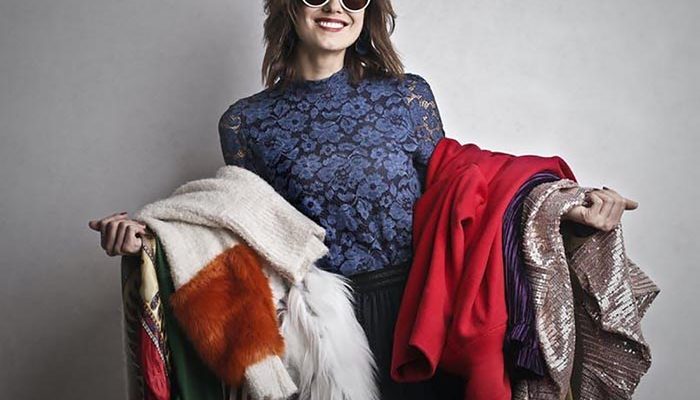
True style has never been about the mere accumulation of clothes or the strict adherence to seasonal trends. In the modern era, being “fashionable” is often confused with being a consumer, but the most iconic figures in style history have always possessed something more elusive: a point of view. This perspective is rarely found within the pages of a lookbook or on a retail shelf. Instead, it is cultivated in the gardens, workshops, kitchens, and mountain trails where people engage with life beyond the mirror.
Hobby-driven living provides the subtext for a wardrobe. When you engage in activities outside the fashion industry, you develop a sense of utility, a unique color palette, and a narrative that makes your clothing feel lived-in rather than performed. Exploring diverse interests enriches your personal aesthetic, making you more fashionable because your style becomes a reflection of your experiences rather than just your bank account.
The Depth of Personal Narrative
Fashion is a visual language, and like any language, it requires something interesting to say. If your only interest is fashion itself, your style can quickly become recursive and hollow—a copy of a copy. By immersing yourself in unrelated hobbies, you gather “visual vocabulary” that others lack.
A person who spends their weekends restoring vintage furniture develops an eye for patina, texture, and structural integrity. This inevitably bleeds into their wardrobe choices. They might find themselves drawn to heavy-weight selvedge denim or waxed canvas jackets—items that mirror the durability and craftsmanship of their woodwork. When they wear these pieces, there is an authenticity that cannot be faked. The clothes aren’t just a costume; they are a logical extension of a life spent working with their hands. This narrative depth is what people perceive as “effortless style.”
Color Theory and Nature
While fashion designers often look to nature for inspiration, there is a distinct difference between looking at a mood board and experiencing the source material. Gardening, hiking, or even birdwatching exposes the eye to color combinations that are balanced and sophisticated.
-
Organic Palettes: A gardener sees how the deep violet of a petal interacts with the muted sage of a leaf. This understanding of “natural neutrals” can lead to more daring and successful color blocking in one’s personal style.
-
Seasonal Awareness: Engaging with the outdoors creates a visceral understanding of seasonality. You stop wearing “fall colors” because a magazine told you to, and start wearing them because you are attuned to the shifting light and changing landscape around you.
-
Texture and Contrast: Observing the rough bark of a tree against the smoothness of a river stone teaches more about textural contrast than any runway show ever could.
The Philosophy of Utility and Function
One of the most significant ways outside hobbies improve your fashion sense is by grounding you in the concept of utility. In recent years, “gorpcore” and workwear have dominated the fashion scene, but these trends often look ridiculous when worn by someone who has never stepped off a paved sidewalk.
When you have a hobby that requires specific gear—be it rock climbing, sailing, or cycling—you learn to appreciate the “form follows function” principle. You understand why a certain stitch is used, why a fabric needs to be breathable, or why a specific pocket placement matters. This knowledge allows you to curate a wardrobe of high-quality, functional pieces that look better because they serve a purpose. A fashionable person who understands utility carries themselves with a different kind of confidence; they aren’t worried about their clothes breaking or failing because they know how to choose gear that lasts.
Developing a Non-Linear Creative Process
Engaging in creative hobbies like pottery, painting, or playing a musical instrument trains the brain to think outside the box. This cognitive flexibility is essential for great styling. Fashion is essentially a puzzle—how do you put disparate elements together to create a cohesive whole?
A musician understands the importance of rhythm and “rests” in a composition. Translated to fashion, this might mean knowing when to let a bold accessory stand alone (the melody) and when to keep the rest of the outfit quiet (the rest). A ceramicist understands volume and silhouette, helping them choose clothing that complements their physical frame in architectural ways. By practicing creativity in a low-stakes environment like a hobby, you become more fearless in your sartorial choices, leading to a style that is genuinely innovative.
Avoiding the “Fashion Victim” Trap
The term “fashion victim” refers to someone who follows trends so closely that they lose their sense of self. This usually happens when fashion is a person’s only personality trait. When you have a rich life outside of your closet, you become less susceptible to the predatory nature of fast fashion.
If you are busy training for a marathon or learning a new language, you don’t have the time or the mental energy to care about every micro-trend that pops up on social media. You develop a “signature” because your clothes have to fit into your actual life. This leads to a more curated, sustainable, and high-quality wardrobe. You begin to buy things because they suit your lifestyle, not because they are “in” this week. Ironically, this detachment from the trend cycle often makes you look more stylish, as you appear to be leading the trends rather than chasing them.
The Social Aspect: Borrowing from Subcultures
Every hobby has its own subculture and, by extension, its own “uniform.” By participating in different communities, you gain access to niche aesthetics that are far removed from mainstream fashion.
Whether it is the specific aesthetic of the chess community, the rugged gear of the amateur astronomer, or the refined elegance of the ballroom dance floor, these subcultures offer unique pieces and styling cues. Integrating elements from these worlds into your daily wear creates a “high-low” mix that is incredibly difficult to replicate. It adds a layer of mystery to your look; people can’t quite place where your style comes from, which is the hallmark of a true tastemaker.
Confidence Through Competence
Perhaps the most underrated way that hobbies make you more fashionable is through the building of confidence. Fashion is 10% clothes and 90% how you carry them.
When you master a skill—whether it’s baking a perfect sourdough or coding a website—you develop a sense of self-worth that is independent of your appearance. This “inner glow” or “competence confidence” changes your posture and your presence. A person who is proud of their achievements carries their clothes with an ease that a person who only cares about their reflection can never achieve. You stop looking at the clothes to “make” you and start using them to “represent” the capable person you already are.
The Future of Style is Multidimensional
As we move toward a more digital and curated world, the “fashionable” person of the future will be the one who possesses “human” depth. AI can generate a perfect outfit, but it cannot simulate the specific wear-and-tear on a hiker’s boots or the paint splatters on an artist’s favorite trousers.
The most stylish people will be those whose wardrobes are a mosaic of their various interests. In a world of fast-moving digital trends, the only way to remain relevant and unique is to have a life that is slow, deep, and filled with passions that have nothing to do with what you are wearing.
Frequently Asked Questions
Does a hobby have to be expensive to influence my fashion?
Absolutely not. Hobbies like reading, drawing, or urban exploration require very little financial investment but offer immense “cultural capital.” The goal is the mental and visual stimulation the hobby provides, which then informs your taste and perspective.
Can “unfashionable” hobbies actually make me look better?
Often, the most “unfashionable” hobbies provide the best style inspiration. For example, birdwatching or stamp collecting might seem “uncool,” but they encourage an appreciation for detail and specific color palettes that can be translated into a very sophisticated, “intellectual” style.
How do I start integrating my hobby into my style without it looking like a costume?
The key is subtlety. Don’t wear the full gear of your hobby to a dinner party. Instead, take one element—perhaps the rugged texture of your hiking pants or the vintage color scheme of your favorite old books—and incorporate it into a standard outfit. It should feel like a hint, not a theme.
What if my hobby requires a very specific, unattractive uniform?
Even “unattractive” uniforms teach you about fit and durability. If your hobby requires high-visibility gear or heavy protective clothing, you might find yourself appreciating the “industrial” aesthetic, which can lead to an interest in avant-garde or brutalist fashion.
Is there a limit to how many hobbies I should have?
It is better to have one or two hobbies you are deeply passionate about than ten that you only touch on the surface. Depth of experience is what creates a unique point of view. Fashionable people are usually those who are “obsessives” about something specific.
Does this mean I should stop reading fashion magazines?
Not at all. Think of fashion media as the “dictionary” and your hobbies as the “experiences” you write about using that dictionary. You still need to know the language of fashion to express yourself clearly, but your hobbies provide the content.
How does “active” versus “passive” hobbies change my style differently?
Active hobbies (sports, gardening) often influence your understanding of silhouette, movement, and fabric performance. Passive hobbies (film, history, reading) tend to influence your “mood,” color choices, and the historical references in your wardrobe. Both are equally valuable.




Comments